• Published on

    Truemed Raises $34M in Series A Funding

    Picture
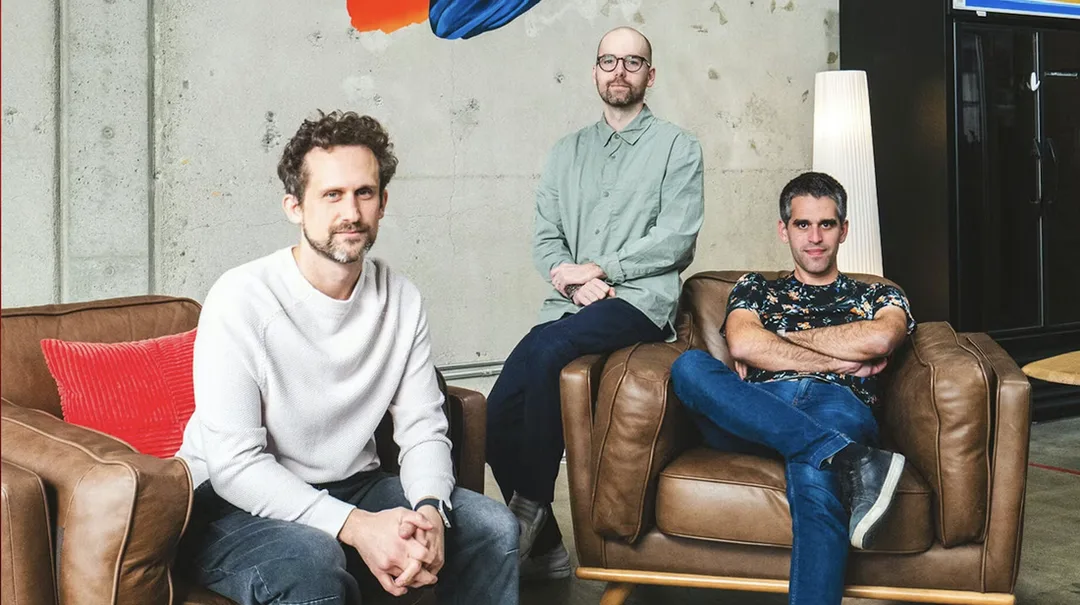
    Truemed, an Austin, Texas based-provider of a health savings account (HSA) and flexible spending account (FSA) payment marketplace, raised $34M in Series A funding.

    The round was led by Andreessen Horowitz, with participation from Bessemer Venture Partners, Long Journey Ventures, BoxGroup, and Trust Ventures. In conjunction with the funding, Julie Yoo and Daisy Wolf are joining the company’s board.

    The company intends to use the funds to accelerate its telehealth marketplace, expand its product portfolio, and increase consumer awareness of access to lifestyle interventions through HSA and FSA funds.
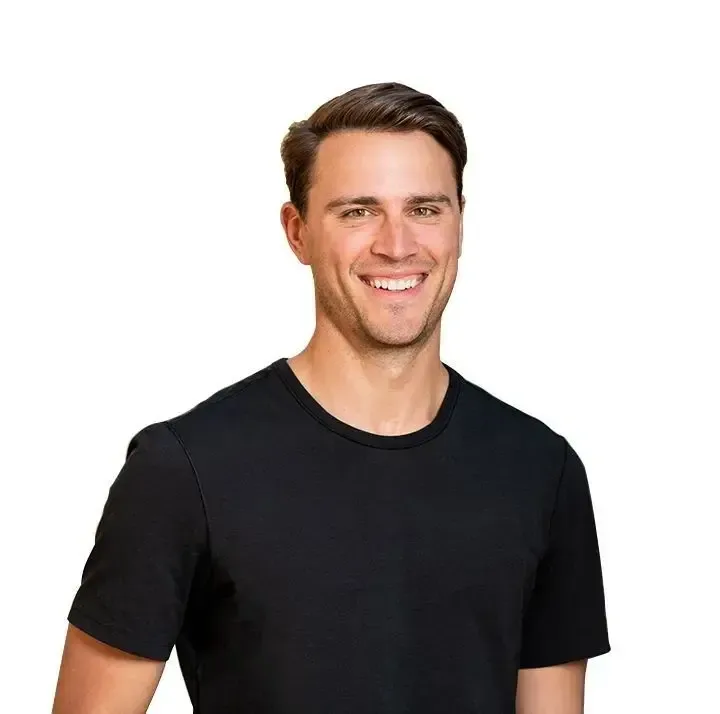
    Led by founder and CEO Justin Mares, Truemed develops payment technology that enables individuals to use tax-advantaged funds for evidence-based lifestyle interventions, such as exercise, diet, and sleep products.

    The company has experienced 3x year-over-year revenue growth for the past two years and currently partners with thousands of brands, including Peloton, Eight Sleep, Nike Strength, and 24 Hour Fitness.

    source[FinSMEs]
  • Published on

    Kargo Raises $42M in Series B Funding

    Picture
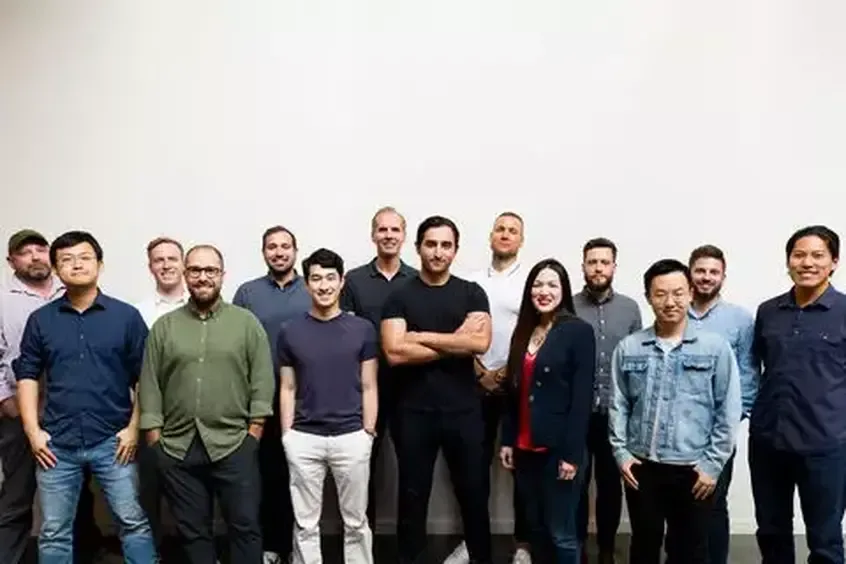
    Kargo, a San Francisco, California-based provider of industrial artificial intelligence technology for supply chain and logistics, raised $42M in Series B funding.

    The round was led by Avenir Growth, with participation from Linse Capital, Hearst Ventures, Lightbank, Matter Venture Partners, and Sozo Ventures.
    The company intends to use the funds to roll out Kargo Intelligence, a platform for automating back-office workflows like invoicing and claims dispute.

    Led by founder and CEO Sam Lurye, Kargo develops a universal interpreter for supply chains that uses computer vision and physical towers to verify inbound and outbound freight in real-time without manual scanning.

    The company has tripled its annual revenue from 2024 to 2025, expanded its customer base to more than 45 Fortune 500 companies—including Mercedes-Benz, Tillamook, and Wayne-Sanderson—and has deployed over 1,000 towers.

    source[FinSMEs]
  • Published on

    Massive Power Outage Knocks Out Much of San Francisco; Disrupts Transit and Self‑Driving Cars

    A major power outage struck San Francisco on Saturday, December 20, 2025, leaving roughly 130,000 Pacific Gas & Electric (PG&E) customers — about one‑third of the city — without electricity and triggering significant disruptions across the Bay Area.

    The blackout began in the early afternoon and was linked to extensive damage from a fire at a PG&E substation near 8th and Mission streets, although investigators are still examining the exact causes. 

    Widespread Impacts Across the City
    • Traffic signals failed citywide, forcing drivers to treat dark intersections as four‑way stops and contributing to gridlock in many neighborhoods. AP News
    • Public transit was affected, with BART and Muni services disrupted due to the outages. ABC7 San Francisco
    • Shops and restaurants closed early or lost business on one of the busiest shopping weekends of the year. ABC7 San Francisco

    Autonomous Vehicles Halted
    One of the most visible impacts was on Waymo’s autonomous robotaxi fleet. With traffic lights out and signals unavailable, many Waymo vehicles became stalled in intersections with hazard lights flashing, blocking roadways and exacerbating congestion. Slashdot

    As a result, Waymo temporarily suspended its ride‑hailing service citywide Saturday evening to ensure rider and public safety while emergency crews worked to restore conditions. SFGATE

    The outage highlighted operational challenges for autonomous vehicles dependent on functioning city infrastructure, drawing attention to broader questions about how such technologies respond to major system failures. The Guardian

    Restoration Efforts and Current Status
    PG&E and city officials continued restoration efforts through Sunday. By early Sunday morning, power had been restored to about 110,000 customers, although tens of thousands remained without electricity as crews worked on complex repairs at the damaged substation. 

    City leaders urged residents to limit non‑essential travel, be cautious at inoperative intersections, and minimize power surge risks as electricity steadily returned.

    No significant injuries have been reported in connection with the outage so far, and the utility emphasized safety as crews address the damage. Reuters
  • Published on

    LatentForce Raises $1.7M in Seed Funding

    Picture
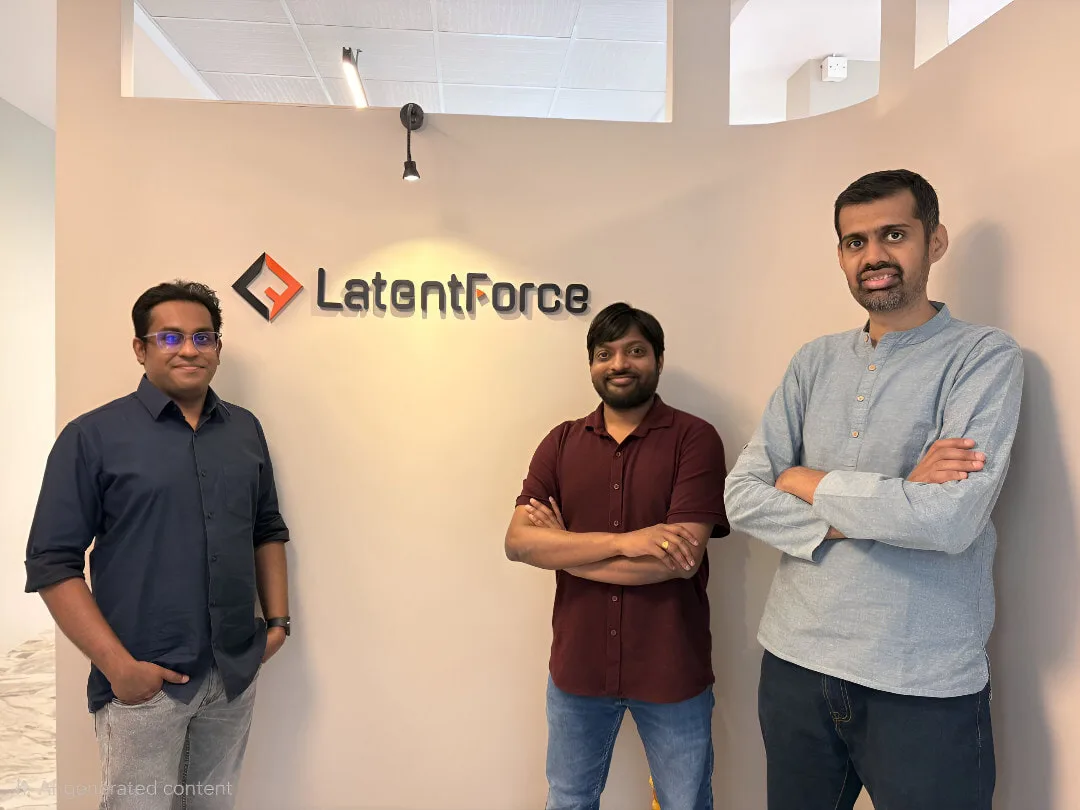
    The LatentForce founding team – From left to right, Aravind Jayendran, Founder & CEO, Vinay Kyatham, Founder and CTO, Dr Prathosh AP, Founder & Head of Research.

    LatentForce, a Bengaluru, India-based developer of an AI-native platform for large-scale enterprise code migrations and software modernization, raised $1.7m in Seed funding.

    ​Ideaspring Capital and Yali Capital co-led the round.

    The company intends to use the funds to strengthen its proprietary migration models and accelerate expansion across India and globally.

    Led by CEO Aravind Jayendran, CTO Vinay Kyatham, and Head of Research Dr. Prathosh AP, LatentForce builds specialised AI systems for large-scale enterprise modernization.

    By using task-specific Small Language Models (SLMs), the platform helps organisations upgrade software, reducing migration cost, risk, and time (they say by up to 80%.)

    source[FinSMEs]
  • Published on

    Edison Scientific raises $70M led by Triatomic Capital, Spark Capital, and other investors

    Science is too slow.

    At Edison, the company is integrating AI Scientists into the full stack of research, from basic discovery to clinical trials. The goal is cures for all diseases by mid-century.

    Edison has raised a $70M seed round to get started. Triatomic Capital, Spark Capital, and a major U.S. institutional biotech investor lead the round. The company is also joined by existing investors Pillar VC and Susa Ventures—two exceptional early-stage funds that backed Edison at founding—along with Striker Venture Partners, Hawktail VC, Olive VC, and a host of exceptional angels that includes famous AI researchers, the CEOs of multiple frontier AI labs, and leadership from major biotech and pharma companies.

    Join them…
    Edison needs cracked software engineers who want to work on finding cures rather than selling ads and generating slop. If someone is reading this, they are probably a candidate.

    The company needs brilliant AI researchers who want to figure out how AI will accelerate real-world science. Edison also needs scientists and researchers with deep expertise in biology, biotech, and pharma who want to integrate AI deeply into scientific workflows—from ideation to experimentation—and to define how success or failure should be measured.

    Edison is also looking for extraordinarily talented generalist operators across business development, sales, product management, and partnerships who can focus on getting these tools into the hands of pharmaceutical companies.

    If any of these roles sound like a fit, apply here:
    edisonscientific.com/careers

    Expanding access to the platform
    Edison’s goal is to accelerate science writ large. To that end, the company will continue to give academics and students 650 credits per month indefinitely. There is no promise this will last forever, but the intention is to keep it going as long as possible. Kosmos will still cost 200 credits, and the other agents (Analysis, Literature, etc.) will cost 1 or 2 credits. All paid users will have free access to regular agents—such as the Analysis and Literature agents—via the UI. API access will remain paid, and users without a paid subscription will continue to receive 10 credits per month for those agents. The $200/month subscription for 650 credits per month is staying in place for now, but may be phased out at the next major product update.

    In line with accelerating science, Edison is also releasing a significant update to PaperQA today, its flagship open-source literature agent, as part of its commitment to open science. In the short run, users should expect significant improvements to Kosmos, including automatic data access, the ability to steer its exploration, and the ability to converse directly with its world model. In the long run, Edison expects exponential growth in scientific discovery in biology and beyond.

    Try Kosmos on the platform:
    platform.edisonscientific.com/login

    source[Edison Scientific]
  • Published on

    Beycome, co-founded by Nico Jodin, raises $2.5M in Seed Funding ​led by InsurTech Fund

    Picture
    Beycome, a Miami, Florida-based developer of a direct-to-consumer real estate platform, raised $2.5 million in Seed funding.

    ​InsurTech Fund led the round with participation from Pivot Ventures, the Florida Opportunity Fund, RedShift Capital, Neer Venture Capital, Kima Ventures, Ignite Venture, Founders Future, and several strategic investors and angels.

    The company intends to use the funds to accelerate product development, strengthen technical leadership, expand its AI capabilities, scale title services, and grow its presence into more states nationwide.

    Led by CEO and co-founder Nico Jodin, Beycome advances a flat-fee real estate ecosystem that enables users to sell, buy, and close transactions through its proprietary AI system, Artur, which automates pricing, offer management, and closing coordination.

    Founded in 2020, the company says it has enables its users to complete nearly 20,000 home transactions, closing roughly one home every 40 minutes, saving more than $215 million in fees.

    source[FinSMEs]